Blog


Was ist eigentlich ...
Metapher
Die Metapher – ein sprachliches Bild Was haben „Schmetterlinge im Bauch“ und ein „Wink mit dem Zaunpfahl“ gemeinsam? Genau! Beide Formulierungen sind nicht wörtlich zu verstehen. Es sind sprachliche Bilder, die nur im übertragenen Sinn funktionieren. Man nennt sie Metaphern. Sie beleben unsere Sprache und erleichtern es, abstrakte oder komplexe Zusammenhänge zu verstehen. Zudem verstärken […]
Mehr lesen »
Utopie Dystopie
Utopie und Dystopie – die Welt als idealer Ort oder als schlechter Ort Utopie und Dystopie sind zwei Genres, die sich in Literatur oder Film mit Zukunftsvisionen befassen – aber auf unterschiedliche Art. Eine Utopie entwirft eine ideale und perfekte Gesellschaft: harmonisch, gerecht und glücklich. Eine Dystopie führt das Gegenteil vor Augen: eine negative, oft […]
Mehr lesen »
Anapher
Die Anapher – Wortwiederholung am Satzanfang „Alle Herzen sind froh, alle Herzen sind frei.“ In diesem Ausschnitt aus der Ballade „John Maynard“ von Theodor Fontane fällt auf: Die beiden Verse beginnen mit denselben Worten. Dabei handelt es sich um eines der einfachsten und häufigsten Stilmittel, die Anapher. Sie kommt in vielen Textsorten vor und dient […]
Mehr lesen »
Oxymoron
Das Oxymoron – vereint das Unvereinbare Hassliebe, stummer Schrei, bittersüß – das sind drei Beispiele für ein Stilmittel mit einem geheimnisvoll klingenden Namen: das Oxymoron. Diese rhetorische Satzfigur kombiniert zwei Begriffe miteinander, die sich widersprechen oder eine gegensätzliche Bedeutung haben. So erzeugt das Oxymoron Paradoxien oder Ambivalenzen und regt zum Nachdenken an. Der Begriff stammt […]
Mehr lesen »
Pleonasmus
Der Pleonasmus – mehr oder weniger überflüssige Wörter Weißer Schimmel, runde Kugel, zusammenaddieren. Diese Formulierungen sind doppelt gemoppelt, stimmt’s? Beim Pleonasmus sagen Menschen zweimal dasselbe – aber mit verschiedenen Wörtern. Eines davon kann meistens weg, weil es semantisch überflüssig ist, also keine neue Information liefert. Solche Formulierungen entstehen oft aus mangelnder Sprachreflexion oder aus Gewohnheit. […]
Mehr lesen »
Palindrom
Das Palindrom – vor und zurück das gleiche Wort Uhu, Ebbe und Retsinakanister – was haben diese drei Wörter gemeinsam? Sie lassen sich vorwärts wie rückwärts gleichermaßen lesen und ergeben in beide Leserichtungen denselben Sinn. Das nennt sich Palindrom. Einen Hauch von Magie bringen längere Palindrome ins Spiel, wie „Sei fein, nie fies.“ Inhaltsverzeichnis Was […]
Mehr lesen »
Parallelismus
Der Parallelismus – Reihenfolge der Satzglieder wiederholt sich „Geht ins Ohr, bleibt im Kopf.“ Diese Werbung fürs Radio zeigt gut, was ein Parallelismus ist und wie er wirkt. Es handelt sich dabei um ein sprachliches Stilmittel, das einen identischen Satzbau nutzt: Die Reihenfolge der Wortarten und Satzglieder in mindestens zwei aufeinanderfolgenden Sätzen oder Satzteilen ist […]
Mehr lesen »
Ellipse
Die Ellipse: Auslassung von Sprachzeichen „Was ein Tag!“ – In diesem kurzen Satz fehlen einige Wörter, oder? Trotzdem verstehen die meisten sofort, was gemeint ist. Und genau das kennzeichnet die Ellipse. Dieses Stilmittel lässt bewusst Wörter oder Satzteile weg, die sich die Menschen im Kontext dazudenken. Spannend daran: Durch das Weglassen entsteht oft eine besondere […]
Mehr lesen »
Euphemismus
Der Euphemismus – Unangenehmes beschönigen „Er ist von uns gegangen“, „Tarifanpassung“ oder „Freisetzung von Arbeitskräften“ … Haben Sie eine ähnliche Formulierung schon mal gehört? Dabei handelt es sich um Euphemismus – ein sprachliches Stilmittel, das Unangenehmes oder Tabus in angenehme, harmlose oder neutrale Worte verpackt. Eine wichtige Frage dabei ist: Was ist wirklich gemeint? Denn […]
Mehr lesen »
Anekdote
Die Anekdote: Humorvolle kleine Geschichte mit Pointe Eine Anekdote ist eine kurze geistreiche oder witzige Erzählung, die meist eine wahre oder zumindest realistisch wirkende Begebenheit aus dem Leben einer Person schildert. Das wichtigste Element dabei: eine überraschende Pointe am Ende, die zum Schmunzeln, Nachdenken oder Staunen anregt – manchmal auch als Spiegel unserer Gesellschaft. Inhaltsverzeichnis […]
Mehr lesen »
Alliteration
Die Alliteration – gleicher Laut am Wortanfang bringt Texte zum Klingen Eine Schlagzeile, die sofort Aufmerksamkeit erzeugt. Ein Werbeslogan, der im Gedächtnis bleibt. Eine poetische Gedichtzeile, die zur Redewendung wird. Dahinter steckt oft ein rhetorisches Stilmittel, das seit Jahrhunderten genutzt wird: die Alliteration. Inhaltsverzeichnis Das Wichtigste im Überblick Bei einer Alliteration fangen mehrere Wörter nacheinander […]
Mehr lesen »
Anagramm
Das Anagramm – dieselben Buchstaben, unterschiedliche Wörter Palme und Lampe, Salat und Atlas, Erbgut und Betrug – das alles sind Anagramme. Können Sie erkennen, warum? Weil sie jeweils aus denselben Buchstaben bestehen – nur neu angeordnet, in einer anderen Reihenfolge. Ein Anagramm ist also eine kleine Spielerei, bei der ein Wort, eine Wortfolge, ein Satz […]
Mehr lesen »
Hyperbel
Die Hyperbel – bewusste Übertreibung als Stilmittel „Das dauert ja ewig!“ Diesen Satz haben Sie bestimmt schon mal gehört oder auch selbst verwendet. Natürlich hat das Warten irgendwann ein Ende. Aber die Übertreibung macht hier deutlich, wie frustriert jemand ist. Und genau darum geht’s: Die Hyperbel ist eine bewusste, starke Übertreibung, die nicht wörtlich gemeint […]
Mehr lesen »
Wortschatz
False friends
False Friends – falsche Freunde im Deutschen und Englischen False friends, im Deutschen: falsche Freunde, sind Wörter, die in zwei Sprachen fast genau gleich klingen, aber völlig unterschiedliche Bedeutungen haben. Da man sich im Alltag schnell blamiert, wenn man auf so einen false friend hereinfällt, schauen wir uns die gängigsten Fehler im Deutschen und Englischen […]
Mehr lesen »
Buchstabieralphabet
Das Buchstabieralphabet im Deutschen Das Buchstabieralphabet, auch Buchstabiertafel genannt, nutzt man, um Wörter am Telefon eindeutig zu buchstabieren und Fehler zu vermeiden. Es verknüpft jeden Buchstabe mit einem Wort, meist einem Vornamen, der dann in Kombination mit dem Buchstaben gesprochen wird. Beispiel: A wie Anton, B wie Berta… Buchstabe Buchstabiertafel A wie Anton Ä wie […]
Mehr lesen »
Ordinalzahlen
Ordinalzahlen Ordinalzahlen haben einen Punkt (.) nach der Zahl (12., 156., 23.,…) und folgen der Adjektivdeklination nach bestimmtem Artikel. ACHTUNG! Von 1. – 19. spricht man die Zahl + „-te“, ab 20. spricht man die Zahl + „-ste“: 1. der/die/das Erste 2. der/die/das Zweite 3. der/die/das Dritte 12. der/die/das Zwölfte 15. der/die/das Fünfzehnte 26. der/die/das […]
Mehr lesen »
Lustige Verabschiedungen
Lustige Verabschiedungen mit Schmunzel-Garantie Lustige Verabschiedungen sind perfekt, um sich von Freunden oder Familie auf originelle Art und Weise zu verabschieden. Oft handelt es sich dabei um eine Abwandlung einer bekannten Grußformel, die um einen Reim oder eine Nachsilbe ergänzt wurde. Die 10 besten lustigen Verabschiedungen Tschau Kakao Tschö mit ö Tschüsselchen Tschüssikovski Ade bleib […]
Mehr lesen »
Begrüßung
Begrüßungen für alle Lebenslagen Eine Begrüßung ist eine kurze Floskel, um jemandem hallo zu sagen. Manche können sowohl im beruflichen wie auch privaten Umfeld genutzt werden. Andere dagegen sind derart umgangssprachlich, dass Sie sie besser nur bei Freunden und Familien anbringen. Lustige Begrüßungen Lustige Begrüßungen sind meist Abwandlungen von klassischen Begrüßungen oder wurden um ein […]
Mehr lesen »
Österreichische Wörter vs. Deutsche Wörter
Österreichisches Deutsch und Hochdeutsch– die Unterschiede Österreichisches Deutsch unterscheidet sich in vielen Aspekten vom klassischen Hochdeutsch. Der Akzent, die Betonung, Abkürzungen … aber auch darin, dass in Deutschland und Österreich unterschiedliche Wörter für die gleiche Sache verwendet werden. Deshalb haben wir nachfolgend die wichtigsten deutschen und österreichischen Wörter im direkten Vergleich gegenübergestellt und mit der […]
Mehr lesen »
Messer, Gabel, Schere, Licht
Messer, Gabel, Schere, Licht sind für kleine Kinder nicht. Ein Kinderreim ist ein mündlich überlieferter Vers, der kleinen Kindern, speziell im Kindergarten oder von den Eltern beigebracht wird oder selbst ausgedacht wurde. Messer, Gabel, Schere, Licht sind für kleine Kinder nicht. Das ist ein kleiner Kinderreim, der sehr nützlich ist, um diese Wörter zu memorisieren. Lesen Sie […]
Mehr lesen »
Deutsche Sprichwörter
Deutsche Sprichwörter – kleine Zeitkapseln mit Lebensweisheiten „Aller Anfang ist schwer.“ Wenn Sie in Deutschland leben, haben sie diesen oder ähnliche Sätze sicher schon einmal gehört. Sie heißen Sprichwörter. Und wie in den meisten Sprachen gibt es auch im Deutschen unzählige davon. Es gibt sowohl einfache Sprichwörter, die auch beim Deutsch lernen schnell zu verstehen sind, […]
Mehr lesen »
Deutsche Zahlen
Deutsche Zahlen: Richtig auf Deutsch zählen Deutsche Zahlen ist eines der wichtigsten Themen beim Deutsch lernen. Sie begegnen Ihnen im Alltag überall – sei es beim Einkaufen, beim Datum oder beim Erfragen einer Telefonnummer. Doch viele, die deutsche Zahlen lernen, stoßen auf eine ganz besondere Herausforderung: Denn im Gegensatz zu vielen anderen Sprachen werden Zahlen […]
Mehr lesen »
25 deutsche Beleidigungen für alle Lebenslagen
25 deutsche Beleidigungen für alle Lebenslagen Beleidigungen und Schimpfwörter sind meist der erste Kontakt mit einer neuen Sprache. Wer kennt nicht einige Ausdrücke in einer Fremdsprache, von der man sonst kein Wort beherrscht. Auch Deutsch lernen macht da keine Ausnahme. Bestimmt kennen Sie bereits die ein oder andere deutsche Beleidigung. Falls nicht, werden wir das […]
Mehr lesen »
Deutsche Abkürzungen
Deutsche Abkürzungen Bspw., u.a. oder uvm. … Deutsche Abkürzungen begegnen uns überall. Im Berufsleben, im Alltag, in Chats. Im Internet wie in offiziellen Dokumenten. Viele sind inzwischen fester Bestandteil der deutschen Sprache. Es lohnt sich also einen Blick darauf zu werfen, wenn Sie Deutsch lernen. Für Deutschlernende, aber auch für Muttersprachler, können Abkürzungen eine echte […]
Mehr lesen »
Deutsche Zungenbrecher Challenge – unmöglich zu schaffen
Deutsche Zungenbrecher Challenge – unmöglich zu schaffen Deutsche Zungenbrecher sind die ultimative Herausforderung, um Ihre Aussprache zu testen und gleichzeitig Deutsch zu lernen. Egal ob Sie Muttersprachler sind oder momentan noch Deutsch lernen, diese Zungenbrecher auf Deutsch werden Ihnen alles abverlangen. Die Regeln: damit ein Zungenbrecher als bestanden gilt, müssen Sie ihn: fehlerfrei aussprechen und […]
Mehr lesen »
Das längste deutsche Wort – das Sie nie brauchen werden
Das längste deutsche Wort – das Sie nie brauchen werden Deutsche Sprache, schwere Sprache. Diesen Ausdruck haben Sie mit Sicherheit schon einmal gehört. Aber kannten Sie auch: Deutsche Sprache, lange Sprache? Zugegeben, das hat wahrscheinlich niemand jemals gesagt und es ist auch kein offizieller Ausdruck, aber es stimmt! Die längsten deutschen Wörter haben es wirklich […]
Mehr lesen »
Alltägliche deutsche Redewendungen und ihre Bedeutung
Alltägliche deutsche Redewendungen und ihre Bedeutung Deutsch zählt zu den schwierigsten Sprachen weltweit. Deshalb ist es nicht verwunderlich, dass Deutsch lernen jede Menge Herausforderungen bietet. Die deutsche Aussprache von ä, ö und ü, den Modus wie Konjunktiv I und Konjunktiv II … aber auch: deutsche Redewendungen. Denn Redewendungen kommen im täglichen Sprachgebrauch sehr häufig vor […]
Mehr lesen »
Wie schreibt man ...
Bildbeschreibung B1
Bildbeschreibung B1 Haben Sie sich für den B1 Deutsch-Test für Zuwanderer, kurz DTZ, angemeldet und möchten deshalb wissen, wie man eine Bildbeschreibung B1 macht? Dann sind Sie hier genau richtig! Die Aufgabe: Auf A2 und B1 Niveau müssen Sie im mündlichen Teil des DTZ ein Bild beschreiben und danach mit dem Prüfer oder der Prüferin […]
Mehr lesen »
Erörterung schreiben
Erörterung schreiben – sachlich und logisch argumentieren Mit Argumenten überzeugen: Darum geht’s bei einer Erörterung. Die Erörterung ist eine der häufigsten Aufsatzformen im Deutschunterricht. Ein Thema oder eine Fragestellung wird dabei sachlich und strukturiert untersucht. Je nach Aufgabenstellung ist es das Ziel, die Lesenden von der eigenen Meinung zu überzeugen oder verschiedene Standpunkte darzulegen. Was […]
Mehr lesen »
Rezension schreiben
Rezension schreiben – Schritt für Schritt von der Einleitung bis zum Fazit Haben Sie ein Theaterstück oder einen Film gesehen, ein Buch gelesen, ein Konzert oder eine Ausstellung besucht? In einer Rezension können Sie darüber schreiben, wie es Ihnen gefallen hat. Sie beurteilen darin die künstlerische Leistung. Und zwar so, dass es für andere nachvollziehbar […]
Mehr lesen »
Charakterisierung schreiben
Charakterisierung schreiben – von äußeren zu inneren Merkmalen Was macht eine Figur aus? Warum handelt sie so, wie sie handelt – und welche Rolle spielt sie in der Geschichte? Genau das herauszuarbeiten, ist die Aufgabe einer Charakterisierung. Ob es um eine reale Person oder eine fiktive Figur geht: Hier beschreiben, analysieren und deuten Sie alle […]
Mehr lesen »
Inhaltsangabe schreiben
Inhaltsangabe schreiben – Schritt für Schritt zum informativen Überblick Kurz und knapp, dabei aber enorm informativ soll sie sein: die Inhaltsangabe. Sie gibt die Handlung eines Textes sachlich und in chronologischer Reihenfolge wieder. Ziel ist es, die wichtigsten Aspekte wie Thema, Hauptaussagen und Handlungsverlauf klar, strukturiert und in eigenen Worten darzustellen, ohne in Details oder […]
Mehr lesen »
Zusammenfassung schreiben – alle wichtigen Schritte
Zusammenfassung schreiben – alle wichtigen Schritte Kurz, präzise und ohne unnötige Details – so sollte eine Zusammenfassung aussehen. Bestenfalls so, dass die Lesenden über das Wichtigste informiert sind, ohne den Originaltext zu kennen. Eine Zusammenfassung zu schreiben, ist in Deutschland, Österreich und der Schweiz ein wichtiger Teil im Deutschunterricht – oft als Aufgabe in Klausuren. […]
Mehr lesen »
Steckbrief schreiben
Steckbrief schreiben – alle wichtigen Schritte Haben Sie schon mal eine Suchmeldung für eine vermisste Katze an einem Laternenmast gesehen? Dabei handelt es sich um einen Steckbrief. So ein Steckbrief ist praktisch, wenn man einen kurzen Überblick über eine Person, einen Gegenstand oder ein Thema geben will – ob in der Schule, im Beruf oder […]
Mehr lesen »
Stellungnahme schreiben
Stellungnahme schreiben – alle wichtigen Schritte Welche Meinung haben Sie zu einem bestimmten Thema? Und wie können Sie Ihren Standpunkt für andere Personen nachvollziehbar und überzeugend kommunizieren? Darum geht’s, wenn Sie eine Stellungnahme schreiben oder ihre eigene Meinung mündlich in eine Diskussion einbringen. Stellungnahmen zu schreiben, ist in Deutschland, Österreich und der Schweiz oft ein […]
Mehr lesen »
Leserbrief schreiben
Leserbrief schreiben – alle wichtigen Schritte Haben Sie schon mal einen Leserbrief gelesen oder selbst geschrieben? Meist sind Leserbriefe auf einer speziellen Seite einer Print-Zeitung oder eines Magazins abgedruckt. Dabei handelt es sich um einen Brief, in dem eine Person die eigene Position oder Meinung zu einem aktuellen Zeitungsartikel wiedergibt, möglichst sachlich. Einen Leserbrief zu […]
Mehr lesen »
Vergleich schreiben
Vergleich schreiben – alle wichtigen Schritte Aufbau, sprachliche Mittel, Wirkung bei den Lesenden – Texte können sich in vielerlei Aspekten unterscheiden. Und genau darum geht’s beim Vergleich von Texten: Ein Vergleich stellt zwei oder mehrere Texte einander gegenüber. In der Regel sind das Sachtexte oder literarische Werke wie Gedichte, Erzählungen oder Romane. Einen Vergleich zu […]
Mehr lesen »
Essay schreiben
Essay schreiben – alle wichtigen Schritte Wie ein Spaziergang durch die eigenen Gedanken – so ähnlich hat der Philosoph Michel de Montaigne vor 400 Jahren die Form des Essays beschrieben. Das klingt interessant, oder? Wir schauen uns diese Textform im Folgenden etwas näher an – denn der Essay ist eine wichtige Aufsatzform im Deutschunterricht – […]
Mehr lesen »
Wegbeschreibung schreiben – für den Deutschunterricht
Wegbeschreibung schreiben – für den Deutschunterricht Wie komme ich von A nach B? Diese Frage stellt sich oft im Alltag. Zum Beispiel, wenn jemand sich nicht auskennt und Hilfsmittel auf dem Handy nicht funktionieren – Akku leer oder kein Empfang – und Sie deshalb jemand auf der Straße anspricht und nach dem Weg fragt. Dann […]
Mehr lesen »
Interpretation schreiben – alle wichtigen Schritte
Interpretation schreiben – alle wichtigen Schritte Egal ob es um einen Roman, ein Theaterstück, eine Kurzgeschichte, ein Gedicht, einen Sachtext oder nur um einen Textausschnitt geht: Eine Interpretation zu schreiben, ist in Deutschland, Österreich und der Schweiz ein wichtiger Teil im Deutschunterricht – oft als Aufgabe in Klausuren oder auch im Abi. Was ist dabei […]
Mehr lesen »
Tipps & Tricks
Ist Deutsch schwer zu lernen?
Ist Deutsch schwer zu lernen? Finden wir es heraus! „Deutsche Sprache – schwere Sprache“, diesen Satz haben Sie mit Sicherheit schon mal gehört. Doch wie schwer ist Deutsch lernen wirklich? Das verraten wir Ihnen jetzt. Die deutsche Sprache gehört zu den am häufigsten gesprochenen Muttersprachen Europas. Gleichzeitig hat sie jedoch auch den Ruf, eine der […]
Mehr lesen »
C2 Prüfung-Vorbereitung
C2 Prüfung-Vorbereitung Wer von Ihnen die Absicht hat, die C2 Prüfung abzulegen, hat möglicherweise bemerkt, dass es sehr wenige Ressourcen dafür gibt. Eine bestandene C2-Prüfung ist erforderlich, um in manchen deutschen Universitäten zu studieren. Deshalb sollte die Vorbereitung sich nicht nur an der Prüfung orientieren, sondern Sie auch auf das notwendige Kompetenz-Niveau bringen, das uns […]
Mehr lesen »
Schreibteil der B1 Prüfung
Schreibteil der B1 Prüfung Wir haben von unseren Kurs-Teilnehmenden und Teilnehmenden an Goethe und telc Prüfungen ein paar Tipps gesammelt, die Ihnen helfen könnten, falls Sie die Prüfungen auch machen wollen. Bevor wir uns das ansehen, möchten wir aber die Leute, die Angst haben, mit den folgenden Punkten ein bisschen beruhigen. Die Prüfer sind ziemlich […]
Mehr lesen »
Schreibteil der B2 Prüfung Teil 2/2
Schreibteil der B2 Prüfung Teil 2/2 Heute machen wir weiter mit dem Schreibprüfungsteil von Goethe und Telc. 1. Beschreibung der Aufgaben: Wie schon vorher erklärt, besteht die Goethe-Schreibprüfung aus zwei Teile: einer Meinungsäußerung und einer kurzen Nachricht. Die kurze Nachricht könnte sowohl eine Bitte als auch eine Mitteilung sein. Man muss beide Aufgaben bearbeiten. In […]
Mehr lesen »
Schreibteil der B2 Prüfung Teil ½ Die Beschwerden
Schreibteil der B2 Prüfung Teil ½: Die Beschwerden Letztes Mal haben wir die Vorbereitung für den Schreibteil der B1 Prüfung erkundet. Heute beschäftigen wir uns mit der B2 Prüfung. Bevor wir Ihnen unsere Tipps geben, möchten wir erstmal über die Vorbereitung selbst reden. Viele Leute erscheinen zu dem Test, ohne die Modelltests bearbeitet zu haben. […]
Mehr lesen »
Deutsche Dialekte im Überblick
Deutsche Dialekte im Überblick – wo spricht man was? Moin, Tach, Servus, Guten Tag … Waren Sie schon mal in Deutschland unterwegs? Dann haben Sie sicher gemerkt, dass die Sprache sich je nach Region anders anhört. Berlinerisch, Bayrisch, Sächsisch, Kölsch, Hessisch, Badisch, Schwäbisch, Platt – es gibt viele Varianten, Deutsch zu sprechen. Dabei geht es […]
Mehr lesen »
Wie finde ich die richtige Deutsch-Sprachschule? Tipps für mehr Transparenz
Wie finde ich die richtige Deutsch-Sprachschule? Tipps für mehr Transparenz Wer einen Deutschkurs sucht, steht vor einem riesigen Angebot, das unüberschaubar wirken kann. Wie lassen sich die Kurse und Sprachschulen am besten miteinander vergleichen? Die Wahl der für Sie richtigen Deutsch-Sprachschule hängt natürlich von den eigenen Präferenzen ab. Wichtig sind in der Regel Kriterien wie […]
Mehr lesen »
Deutsch für Anfänger – Tipps für den Start
Deutsch für Anfänger – Tipps für den Start Der, die, das … wieso, weshalb, warum? Das ist nicht nur das Intro der Kindersendung „Sesamstraße“, sondern auch einer der größten Stolpersteine beim Deutsch lernen für Anfänger. Denn meist sind es die drei Artikel, die zu Beginn des Lernens für Verwirrung sorgen. Insbesondere für Anfänger ist es […]
Mehr lesen »
Standorte

Frankfurt
Frankfurter Apfelweinfestival
Frankfurter Apfelweinfestival In Frankfurt trinkt man „Ebbelwoi“! Wer Lust zu probieren hat, der ist auf dem traditionellen Apfelweinfestival am Frankfurter Roßmarkt genau richtig. Hier dreht sich alles um das hessische Nationalgetränk – es gibt ihn pur, sauergespritzt mit Mineralwasser oder süß mit Limonade. Frankfurter Spezialitäten sorgen für die richtige Stärkung und natürlich gibt es auch Live-Musik. Das […]
Mehr lesen »

Frankfurt
Ein Tag in Mainhattan
Frankfurt: Ein Tag in Mainhattan Die Metropole am Main ist vor allem als Finanzzentrum und für ihren internationalen Flughafen bekannt – doch hält sie so viel mehr bereit als das. Es gibt urige Apfelweinkneipen, eine lebendige Kunstszene und natürlich die beeindruckendste Skyline der Bundesrepublik mit Messeturm und Main Tower. Frankfurt ist der perfekte Mix aus Tradition und Moderne. Unsere Erkundungstour beginnt im Herzen Frankfurts am Römerberg. Die neue […]
Mehr lesen »

Leipzig
Unsere Sprachschule im Herzen Leipzigs
Unsere Sprachschule im Herzen Leipzigs „Mein Leipzig lob‘ ich mir!“ schrieb einst Goethe in seinem berühmten Werk „Faust“. Heute prangt das Zitat als Schriftzug über der Stadt und heißt so Leipzigs Besucher*innen, Einwohner*innen und unsere Schüler*innen herzlich willkommen! Die DeutschAkademie Leipzig ist nur 10 Minuten zu Fuß vom Hauptbahnhof und der geschäftigen Innenstadt entfernt. Als […]
Mehr lesen »

Leipzig
Sommer Sonne draußen sein
Sommer, Sonne, Draußen sein! Bei den heißen Temperaturen ist ein Ausflug zu einem der zahlreichen Seen im Leipziger Umland ein Muss! Zum Beispiel der Markkleeberger See ist ideal zum Baden oder Bootfahren. Außerdem lädt ein 9km langer Rundweg zum Fahrrad oder Inliner fahren sowie zum Spazieren gehen ein. Viele Eisdielen auf dem Weg sorgen zusätzlich […]
Mehr lesen »
Stuttgart
Stuttgart die Stadt der guten Weine
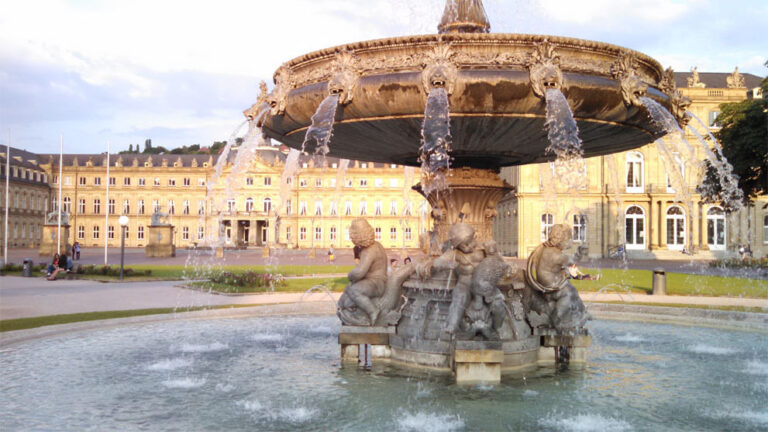
Stuttgart: Die Stadt der guten Weine… …schnellen Autos und tollen Ausflugszielen! Lernen Sie im August Deutsch in Stuttgart und lassen Sie sich von der prunkvollen schwäbischen Hauptstadt treiben. Erkunden Sie die Sehenswürdigkeiten der Stadt wie den Schlossplatz oder einen der vielen wunderschönen Aussichtspunkte wie den Rotenberg. Auch die Innenstadt hat viel zu bieten und ist […]
Mehr lesen »

Stuttgart
Stuttgart im Herzen des Schwabenlandes
Stuttgart: Im Herzen des Schwabenlandes Stuttgart, die Landeshauptstadt Baden-Württembergs hat vieles zu bieten. Im Herzen des Schwabenlandes kann man nicht nur kulinarisch auf seine Kosten kommen, sondern auch Traditionen, Kultur und Sprache kennenlernen. Absolut sehenswert sind: der bekannte Schlossplatz inmitten der Königstraße, die Wilhelma – ein zoologisch-botanischer Garten, welcher mit über einer Million Besucher:innen jährlich zu den meistbesuchten Zoos Deutschlands […]
Mehr lesen »

Köln
Herzlich Willkommen in Köln
Willkommen an der DeutschAkademie in Köln Köln überzeugt als freundliche, offene und internationale Weltstadt, mit Menschen aus 180 Nationen. Im Herzen der Stadt, direkt am Friesenplatz, befindet sich unser Standort der DeutschAkademie in Köln. Dank der zentralen Lage können auch Teilnehmende zum Beispiel aus Bonn oder Leverkusen problemlos an einem unserer Deutschkurse in Köln teilnehmen. Die […]
Mehr lesen »
